
School takes up a third of a child's life, so that time's got to be spent well. The habits developed therein compound like interest, so it's crucial to spend that livelihood skillfully and wisely.

I remember being around age 3 or 4 the first time I went to school. I was so excited to be a "big kid" like my older siblings, make friends, and grow up in the optimistic way my parents had projected. I went to preschool, and we had music day. We got in a circle, and the teacher asked us to all sit "Criss-Cross Applesauce". I raised my hand and asked "What's criss-cross applesauce?" and a teacher grabbed my ankles and put me in position without explaining it.
The message felt so clear: I wasn't a student - I was a commodity. I think a large part of my relationship with authority, social structures, and disdain for learning came from this lens. It was only around age 21 that I recognized education wasn't the same as learning.
Before we had our daughter, my wife and I spent a lot of time walking through what made school special, meaningful and exciting, and we ended up with a sort of framework, and I've summarized it below - a governing strategy, along with subset topics that crystallize our conclusion.
Regarding Knowledge:
- The value of knowledge comes from the ability to leverage yourself practically throughout your life - not to know the "practical steps" - those were defined for someone else's goals - but to know how to see the world and build practical steps toward your own ends. If the student isn't seen as a sovereign partner in the learning process, this won't happen.
- The major subset of knowledge is the recognition of one's shared experience, and one's individual experience. If you can't relate with yourself, you'll be in pain outside of your control - and if you can't relate with others, your relationships will be cultivated with the seeds of luck, not skill or empathy.
Regarding Education:
Value emerges from education from its deep human connections. Whether you consider the school you attended to a bad or a good school, the connections you made are the cornerstone of memory, value, and the "soul" of the experience. Because of this, deep human connections are the thing that imbibes education with meaning, memory, and value in a student's life.
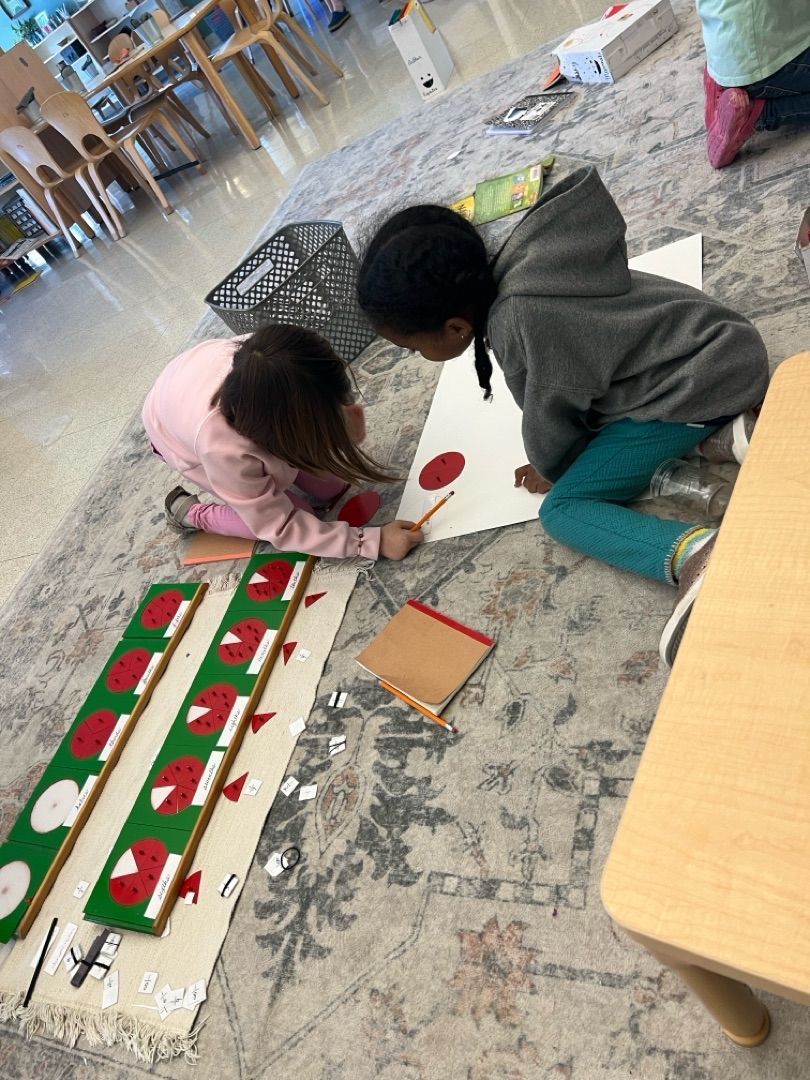
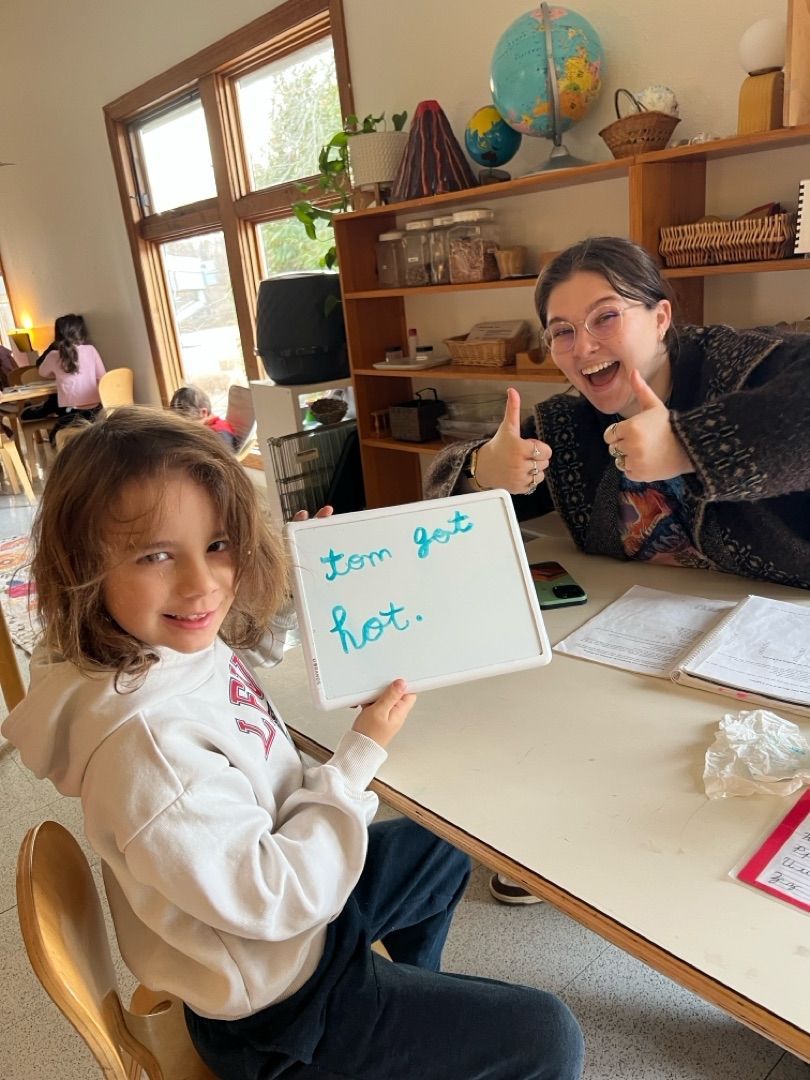
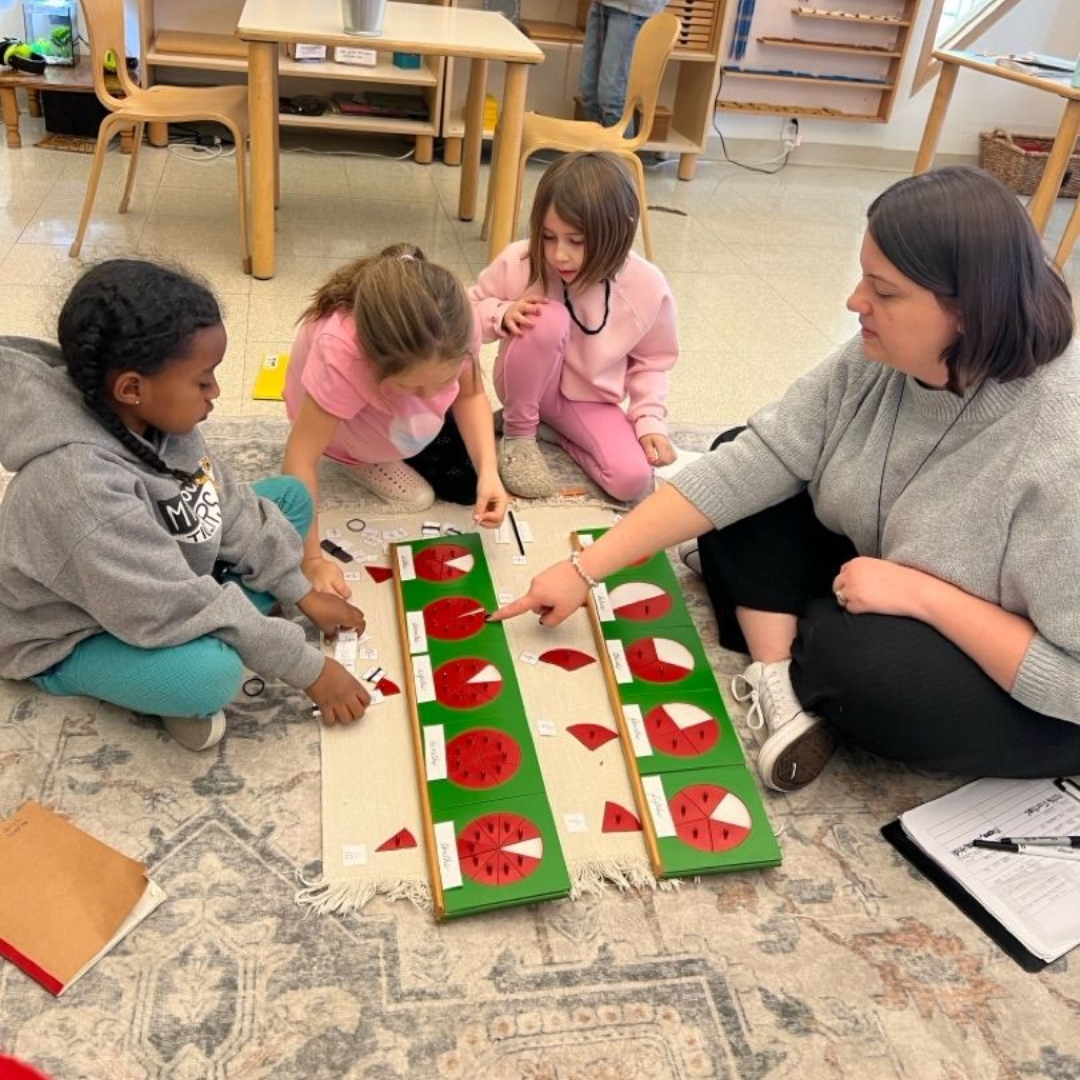
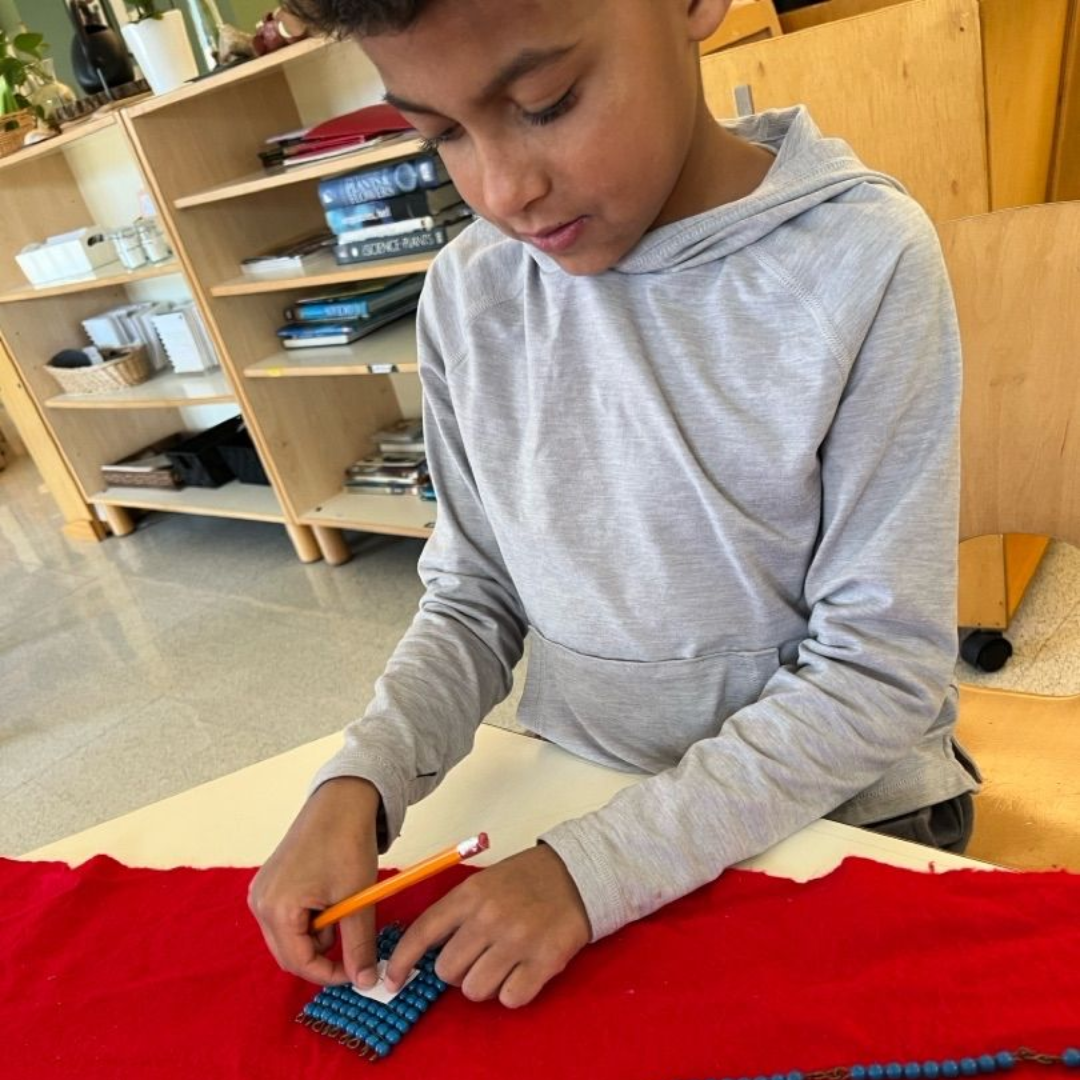
In thinking about what kind of school we wanted for our daughter, we returned often to the moments in our own childhoods when learning felt like something done to us rather than with us. We wanted her experience to be the opposite of that: an experience where she was a partner in her own development, not a commodity moved through a system. The principles we outlined earlier—cultivating meaningful habits, honoring both shared and individual experience, and grounding education in human connection—became our lens for evaluating any school environment.
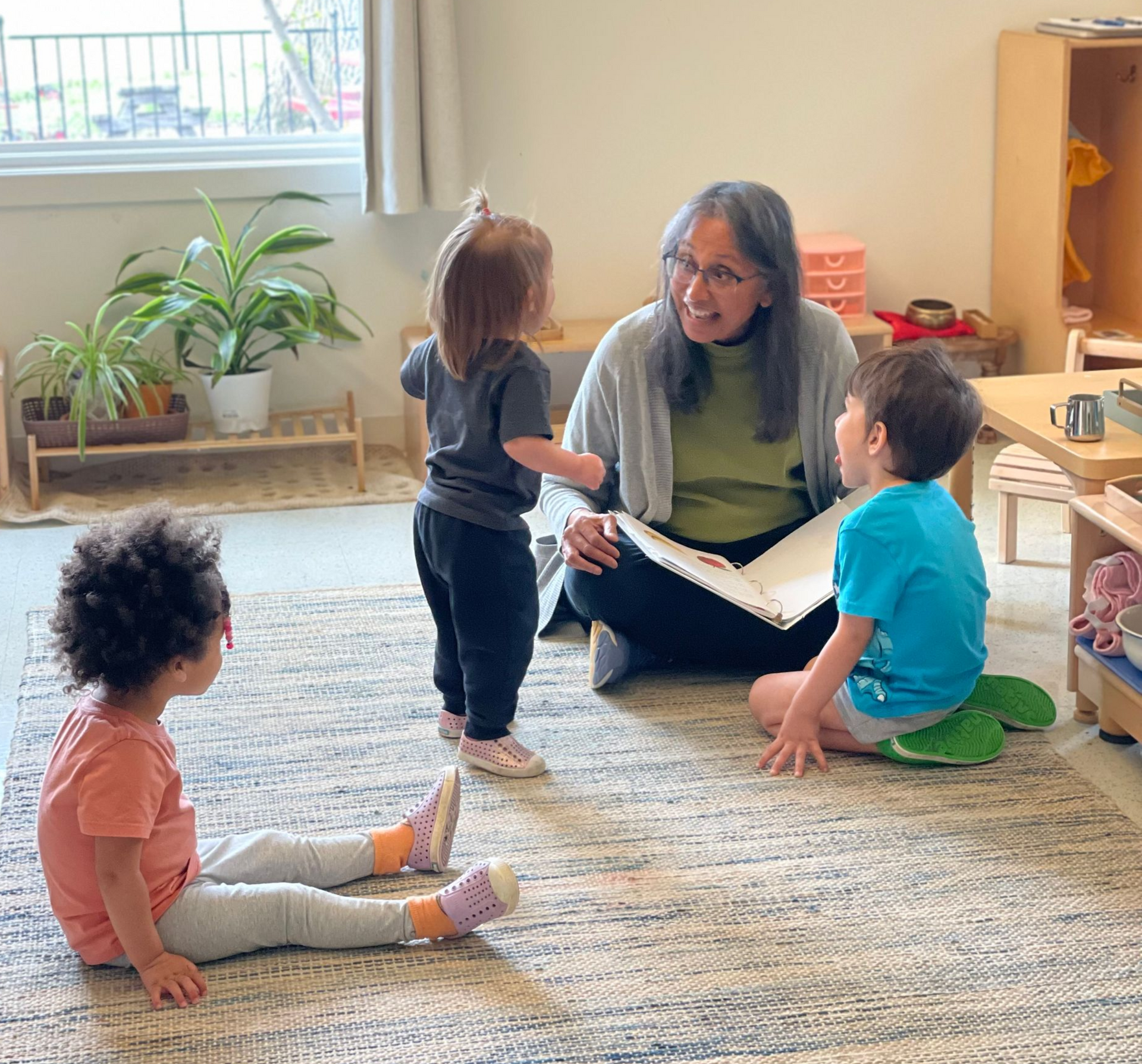
Chesterfield Montessori stood out because it consistently meets these deeper demands. We saw that this authentic, AMI-accredited Montessori school supports emotional development not as an afterthought but as the foundation for curiosity, empathy, and self-efficacy. Teachers and staff invite genuine reasoning rather than passive compliance, helping children understand how ideas link to the cause-and-effect structure of the world.
Most importantly, they treat the child as a sovereign participant in the learning process, ensuring that their relationships, motivations, and sense of safety remain intact. Chesterfield Montessori allows our daughter not just to learn, but to grow into herself with confidence and joy—and that is why we stand by it.