
An Answer to Worrying Childhood and Educational Trends
In May 2026, researchers at Stanford University released what many educators are calling the most comprehensive look at American student performance in a generation. The Educational Opportunity Project analyzed ten years of data from 35 million public school students and found something deeply troubling: math scores have declined in 70% of U.S. school districts. Reading scores have declined in 83%. The declines cut across racial, geographic, and economic lines. Education Week called it a "learning recession" — and made clear this is not simply a COVID story. It has been building for a decade.
The Root Causes Are Not a Mystery
The Stanford report is just the latest indicator that traditional approaches to education are not working. Several childhood trends from the last twenty years are a factor:
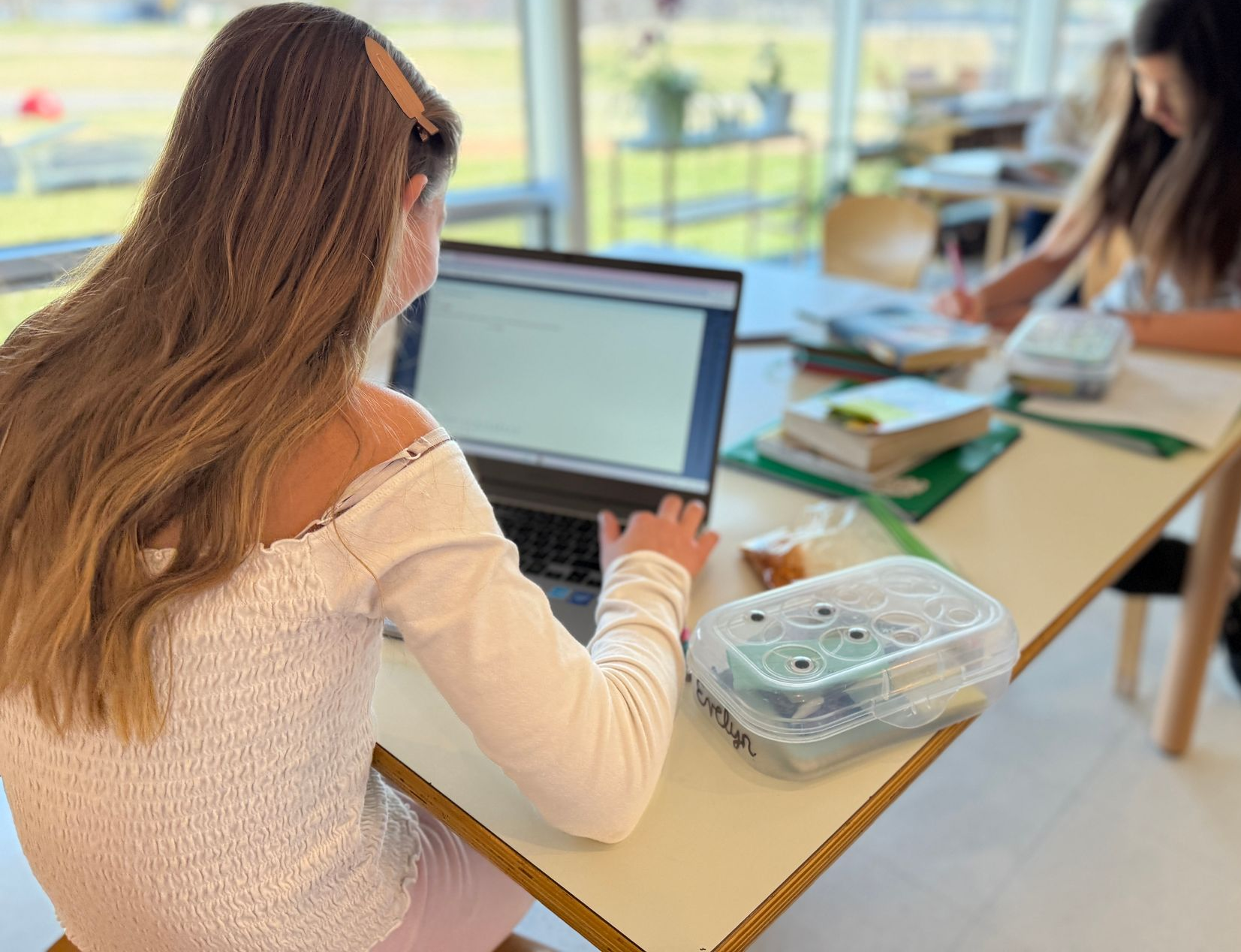
- Screen-based learning has replaced hands-on experience. Many U.S. schools now issue tablets in second or first grade, or even kindergarten, despite extensive research demonstrating that screens are not supportive to brain development, and that young children learn best through movement, manipulation of materials, and direct human interaction.
- Fine motor skills are declining, with real-world consequences. As handwriting and hands-on work disappear from classrooms, children are arriving at school less able to use scissors, hold pencils, and tie shoes. Surgical educators at institutions including Imperial College London have begun observing the downstream effects in medical training. Engineering programs are reporting similar concerns.
- Focus and deep thinking are eroding. The proliferation of devices and passive entertainment is making sustained attention harder for children — and harder to rebuild once it's been disrupted.
- Childhood anxiety is rising. Research and practitioners across fields link the surge in childhood anxiety to early device exposure, reduced outdoor time, and diminished opportunities for unstructured play and real human connection.
- Intrinsic motivation is giving way to reward-dependence. Children are increasingly oriented toward external validation (grades, points, likes) rather than the deep, self-directed curiosity that drives lifelong learning and professional success.
A School Built to Go the Other Direction
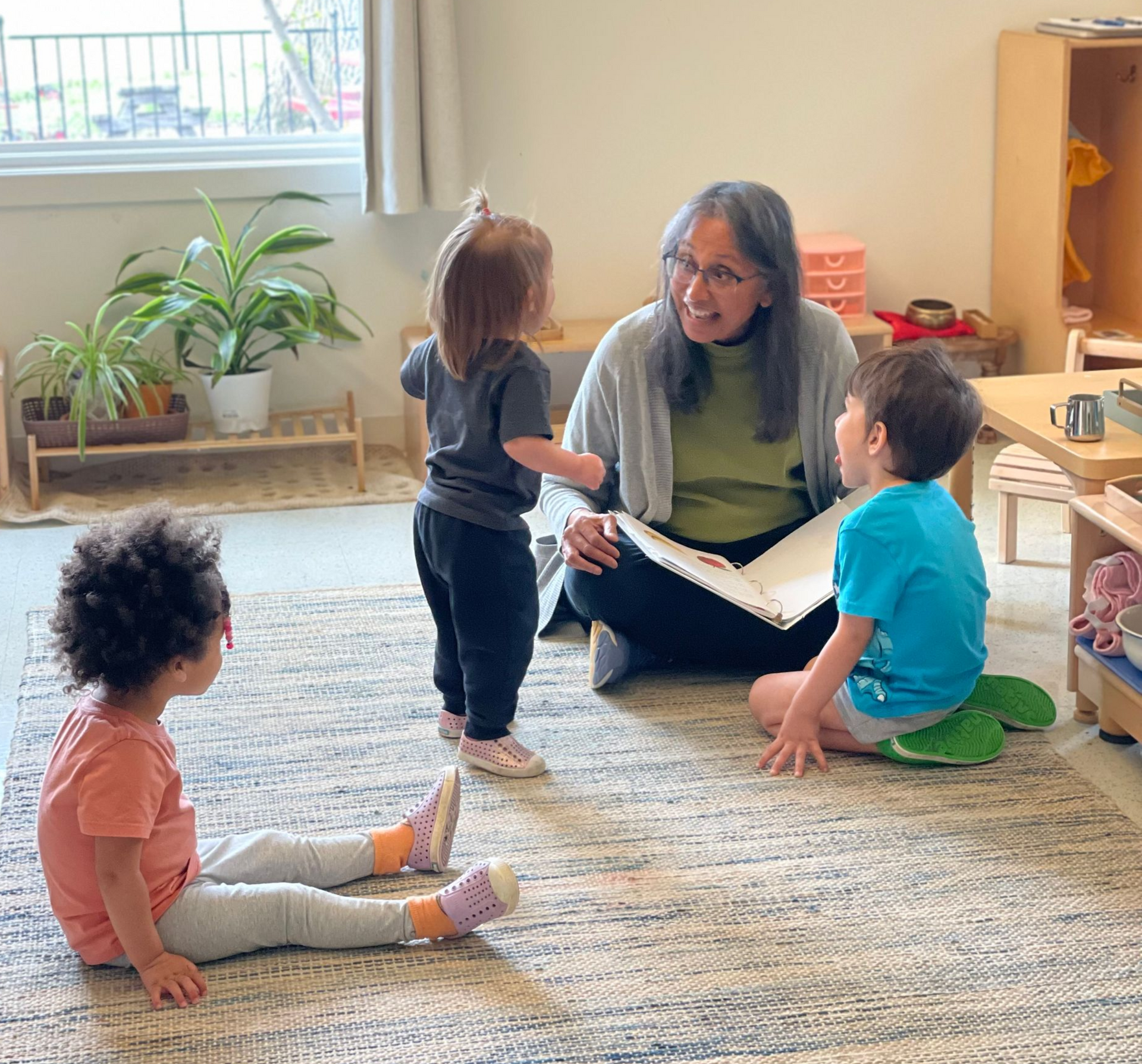
Chesterfield Montessori School, established in 1981 near St. Louis, Missouri, offers authentic, academically rigorous Montessori education for children from 14 months through 8th grade.
Its approach was not designed in response to these trends — it predates them by decades. But it turns out to be a direct, evidence-backed answer to every one of them.
| National Problem | The CMS Approach |
|---|---|
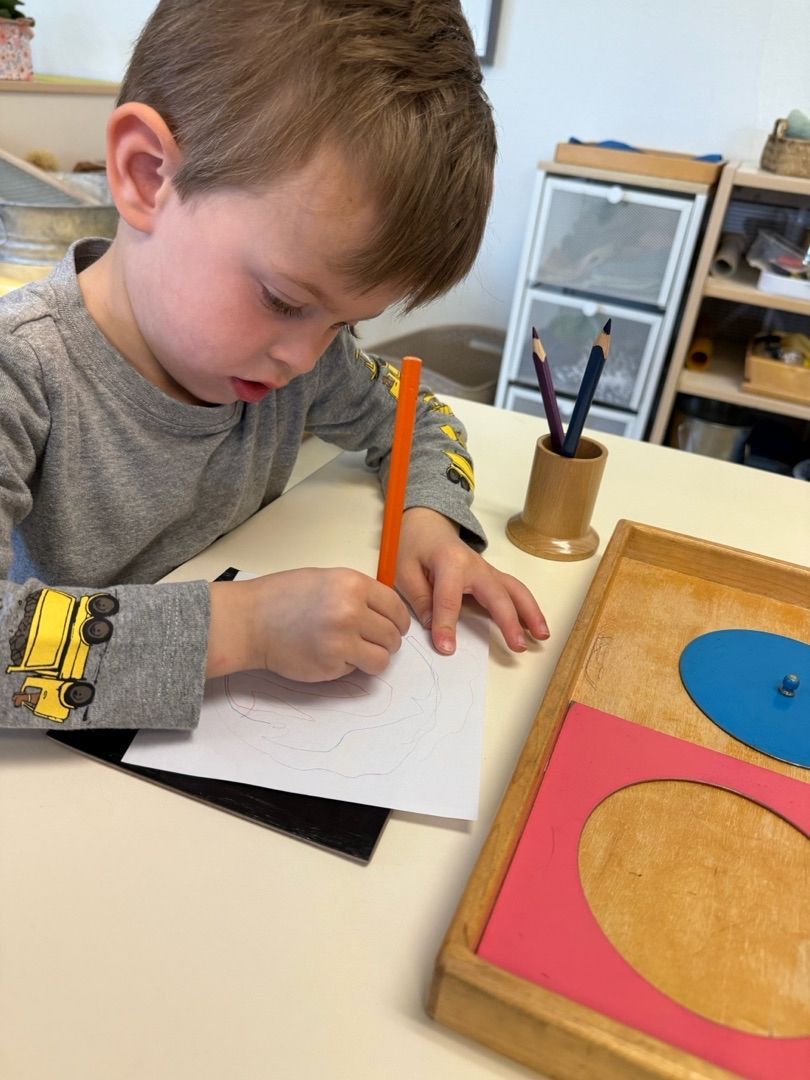
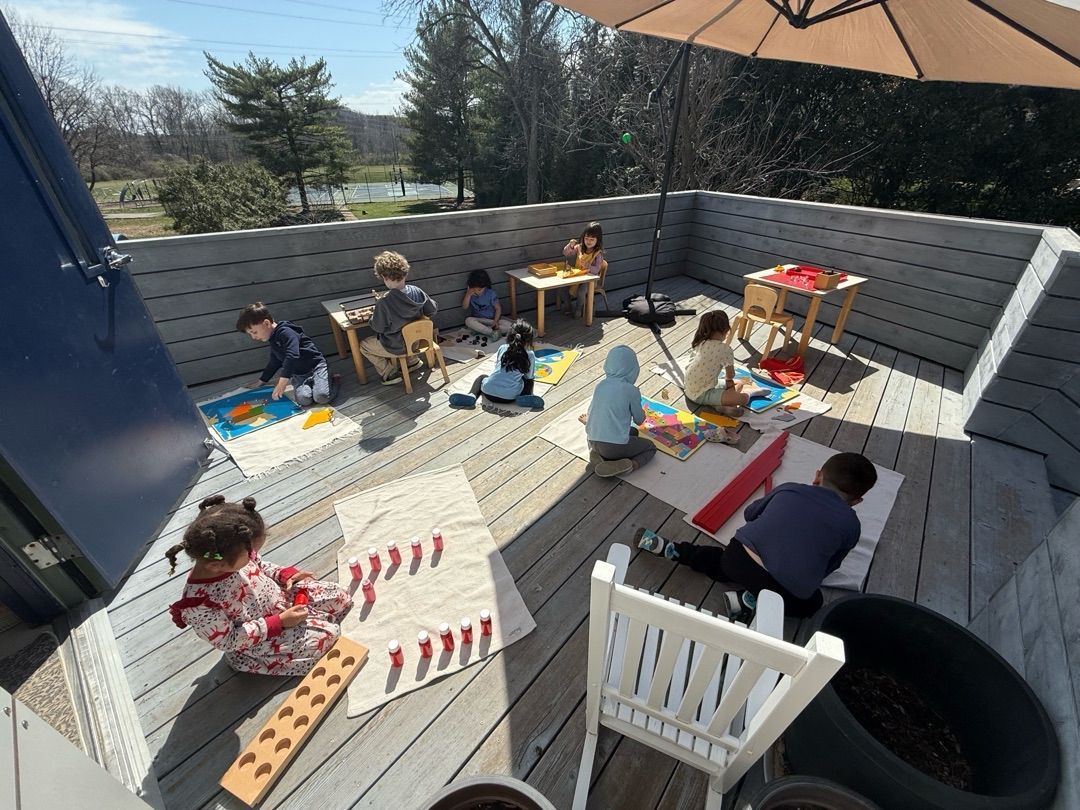
| Screen-based learning replacing hands-on work | Children in preschool through 3rd grade are never on devices — for any purpose, at any time. Device use remains minimal through 8th grade. Hands-on work, movement, and outdoor time are woven through every year. |
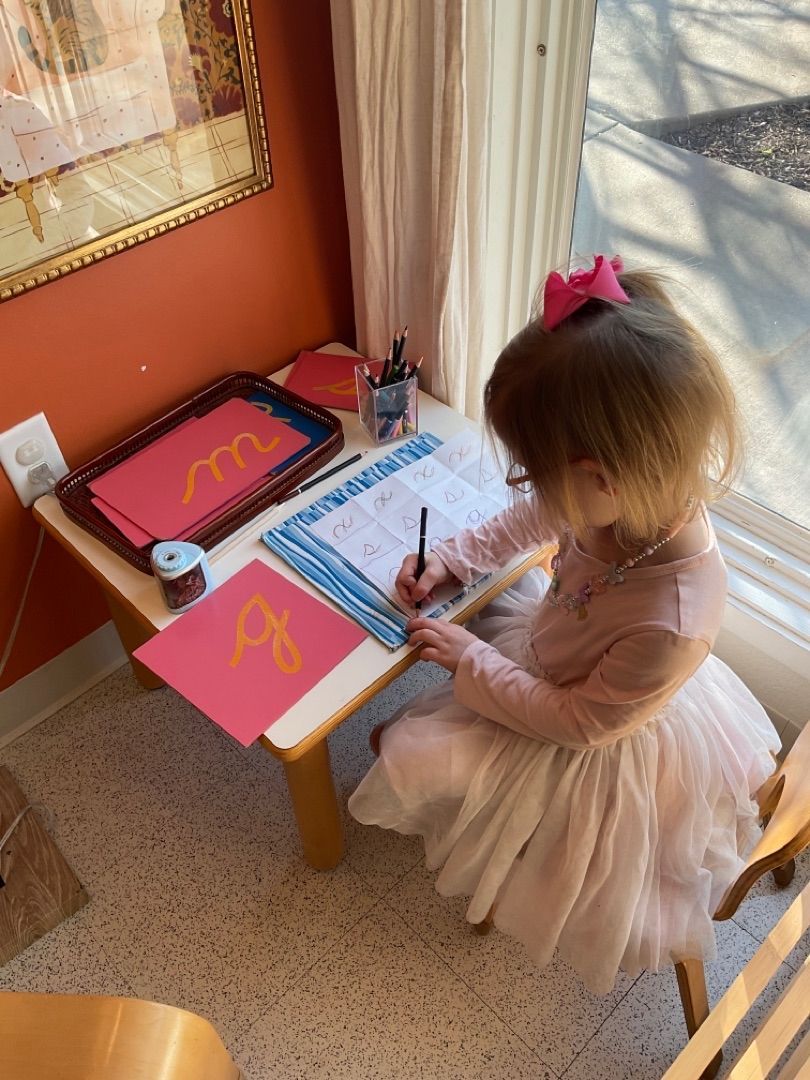
| Declining fine motor skills | Students sew, crochet, build, and work with hands-on Montessori materials through all grades. Cursive handwriting is taught before print or keyboarding — engaging distinct neural pathways — and students ultimately learn all three forms of writing. |
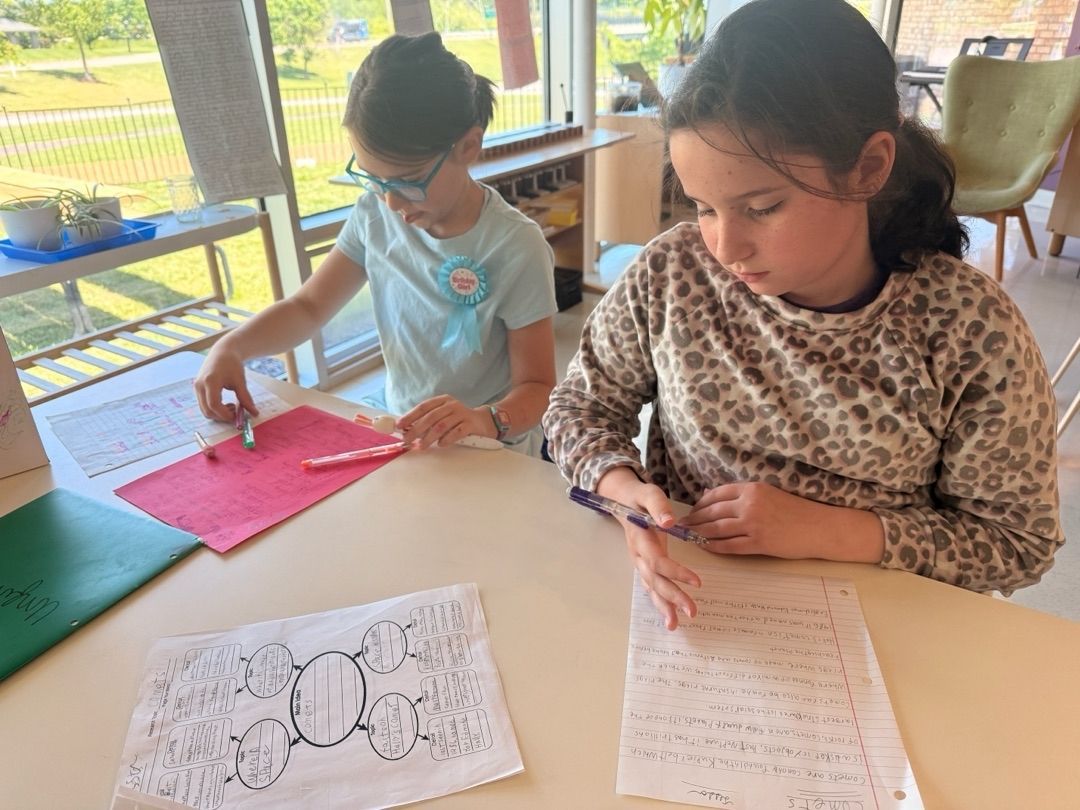
| Erosion of focus and deep thinking | Long, uninterrupted work periods build genuine concentration. In Upper Elementary and Adolescent years, students discuss how AI shapes what they find online, how to use it effectively as a tool, and how to evaluate whether information is accurate. |
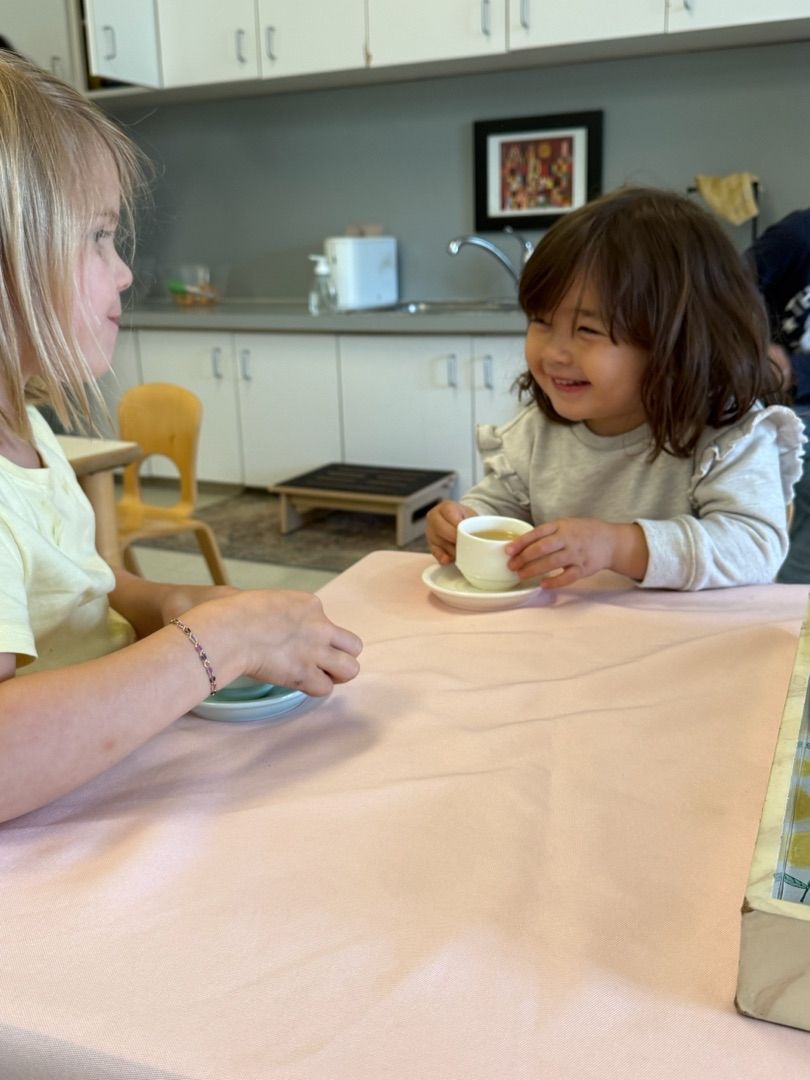
| Anxiety and mental health | CMS's low-tech, high-touch environment directly reflects the research recommendations of books like The Anxious Generation. Children build resilience and adaptability through direct engagement with materials, people, and the natural world. |
| Loss of intrinsic motivation | The Montessori philosophy at CMS is built on the premise that children are born with a passion for learning. Everything — the environment, the materials, the approach to assessment — is designed to protect and deepen that. |
| Academic outcomes | 92% of Lower Elementary students are at or above grade level in math. Upper Elementary students perform as well or better than independent school peers across all subject areas in standardized testing. 95% of students who continue into Upper Elementary or Adolescent years are admitted to their first-choice secondary schools. |
What the Long Game Looks Like
The proof is in the alumni. Consider just a few CMS alums:
- An astrodynamics engineer who runs satellite launches for Boeing.
- An analytical chemist and global agrochemical metabolism expert.
- A software engineer.
- An MD candidate at Washington University in St. Louis.
- A pediatric resident at Loyola.
- An engineering student at the University of Minnesota.
- A chemistry student at Xavier University of Louisiana.
- A John Burroughs School junior who has already authored Latin books for children.
- A future pianist and conductor enrolled at London's Royal College of Music.
These people are not outliers. They are what happens when a school spends many years helping a child fall in love with learning, think independently, and work with their hands and their mind in equal measure.
Over the past year, nine recent alumni returned to CMS to give back — whether to serve on the Board of Trustees, perform, teach or mentor. That's not a marketing statistic. It's a reflection of what Chesterfield Montessori School means to the people who grew up here.
What to Do If You're Worried
If the national headlines have you questioning traditional approaches to education, reach out to us. We would like to show you our philosophy in action.
Schedule a tour at chesterfieldmontessori.org, or email info@chesterfieldmontessori.org or (314) 469-7150.